How to Care for Peonies: Planting, Watering, Pruning & Bloom Tips
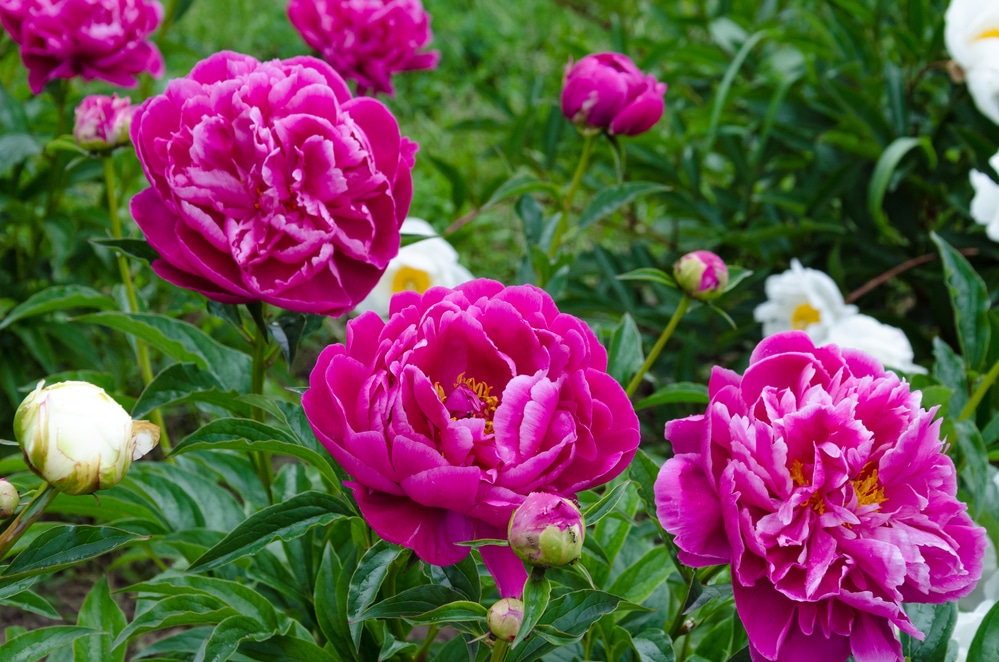
What’s not to love about peonies in full bloom. Every spring they show off those big, fluffy petals, the romantic ruffled edges, and that soft garden fragrance everyone falls in love with.
They look delicate and dramatic, but here’s the best part: peonies are actually low-maintenance plants once they’re settled in. If you’ve ever thought peonies were “fussy,” they’re truly not.
Most peony problems come down to just one or two simple mistakes—usually planting them too deep or giving them too much water.
Whether you’ve grown them before or you’re planting peonies for the very first time, this guide will walk you through everything you need to know—when to plant, how deep to place them, how much water they need, how to prune them, and why they sometimes don’t bloom.
With a little setup in the beginning, peonies can live for decades and get fuller and more beautiful every single year.
Understanding Peony Types—Which Should You Grow?
There are three main types of peonies sold in nurseries: herbaceous, tree, and Itoh (also called intersectional peonies).
Herbaceous peonies are the most common and the easiest for beginners. They die back to the ground each fall and return every spring with fresh new growth.
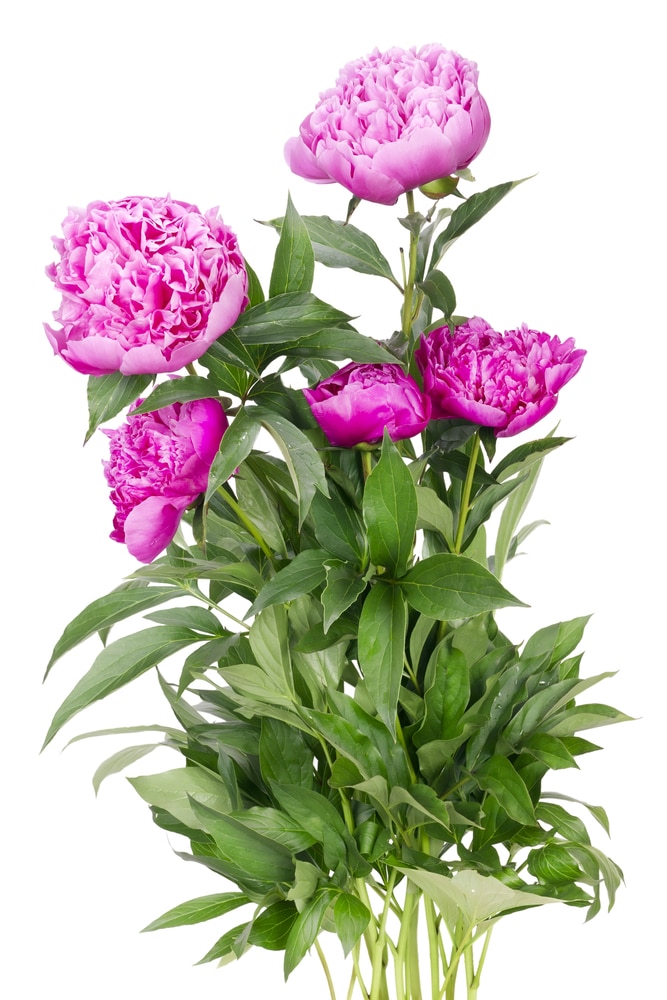
Tree peonies have woody stems that stay above ground all year, and Itoh peonies are a hybrid of both, giving you large blooms on sturdy stems that rarely flop over.
If you’re just getting started, herbaceous peonies are almost always the best choice. They’re hardy, they grow in a wide range of climates, and they require very little attention once they’re planted.
When ordering online, look for bare-root divisions or potted peony plants from reputable growers. This is also a great spot to add a few affiliate links to your favorite varieties.
The Best Time to Plant
Peonies can technically be planted in either spring or fall, but fall is ideal because they have time to develop strong roots before winter.
When they wake up in spring, they’re ready to grow right away. If you plant peonies in spring, they may settle in just fine, but many take a season to adjust before blooming.
If you garden in a cold climate with snowy winters, fall planting is especially helpful because peonies like a good winter chill. The cold helps set the buds for next year’s blooms.
Choosing the Right Planting Spot
Peonies love sunshine. If you want lots of blooms, choose a spot that receives at least six hours of full sun every single day.
A little afternoon shade is okay in really hot climates, but too much shade leads to weak stems and very few flowers.
Just as important is good drainage. Peonies hate sitting in wet soil, and overly damp ground can cause the crown and roots to rot. If your soil is heavy or clay-like, mix in organic matter or consider planting in a raised bed.
This also gives you a great opportunity to link to bagged compost, raised garden beds, or a soil amendment you love.
Pay attention to spacing too. Peonies need room to breathe—about three feet between plants—so air can circulate around the foliage.
This helps prevent fungal diseases that sometimes show up later in the season.
How to Plant Peonies Correctly
This is the step most gardeners get wrong, and it’s the number one reason peonies refuse to bloom. The crown (where the eyes or buds are located) should be planted only 1–2 inches below the surface of the soil.
If you bury it deeper than that, the plant may grow strong foliage but never produce flowers.
To plant, dig a wide hole, loosen the soil, and add a handful of compost to improve nutrients and drainage. Place the crown at the correct depth, backfill gently, and water slowly to settle everything in place.
After planting, you don’t need to water daily—peonies prefer a deep soak every several days rather than light, frequent watering.
If you’re planting from pots in spring, just make sure the top of the root ball sits level with the surrounding soil. Over-burying is still the biggest mistake people make, even with potted peonies.
Watering Peonies the Right Way
Peonies don’t need a complicated watering schedule. Once established, they are surprisingly drought-tolerant.
A deep drink once a week is usually more than enough. Overwatering actually causes more issues than underwatering—yellowing leaves, droopy stems, and root rot are all signs of soggy soil.
Water at the base of the plant and try to keep moisture off the leaves, especially in humid climates. This helps prevent fungal problems.
Drip irrigation or a simple soaker hose makes watering effortless, and you can easily link to those if you use them in your garden.
You can mulch lightly around your peonies to help conserve moisture, but don’t bury the crown under mulch. Again, too much depth can interfere with blooming.
Fertilizing for Big, Healthy Blooms
Peonies don’t need heavy feeding to grow well. In fact, too much nitrogen pushes out leafy growth instead of flowers. A slow-release balanced fertilizer applied in early spring is usually all they need.
You can also top-dress with compost once a year, especially if your soil is sandy or low in organic matter.
If blooms are smaller than usual or plants seem weak, a soil test can help you figure out what’s missing. Peonies prefer slightly acidic to neutral soil, and compost often fixes most deficiencies.
This is another natural place to link to your favorite fertilizer, compost brand, or soil testing kit.
Supporting Heavy Blooms
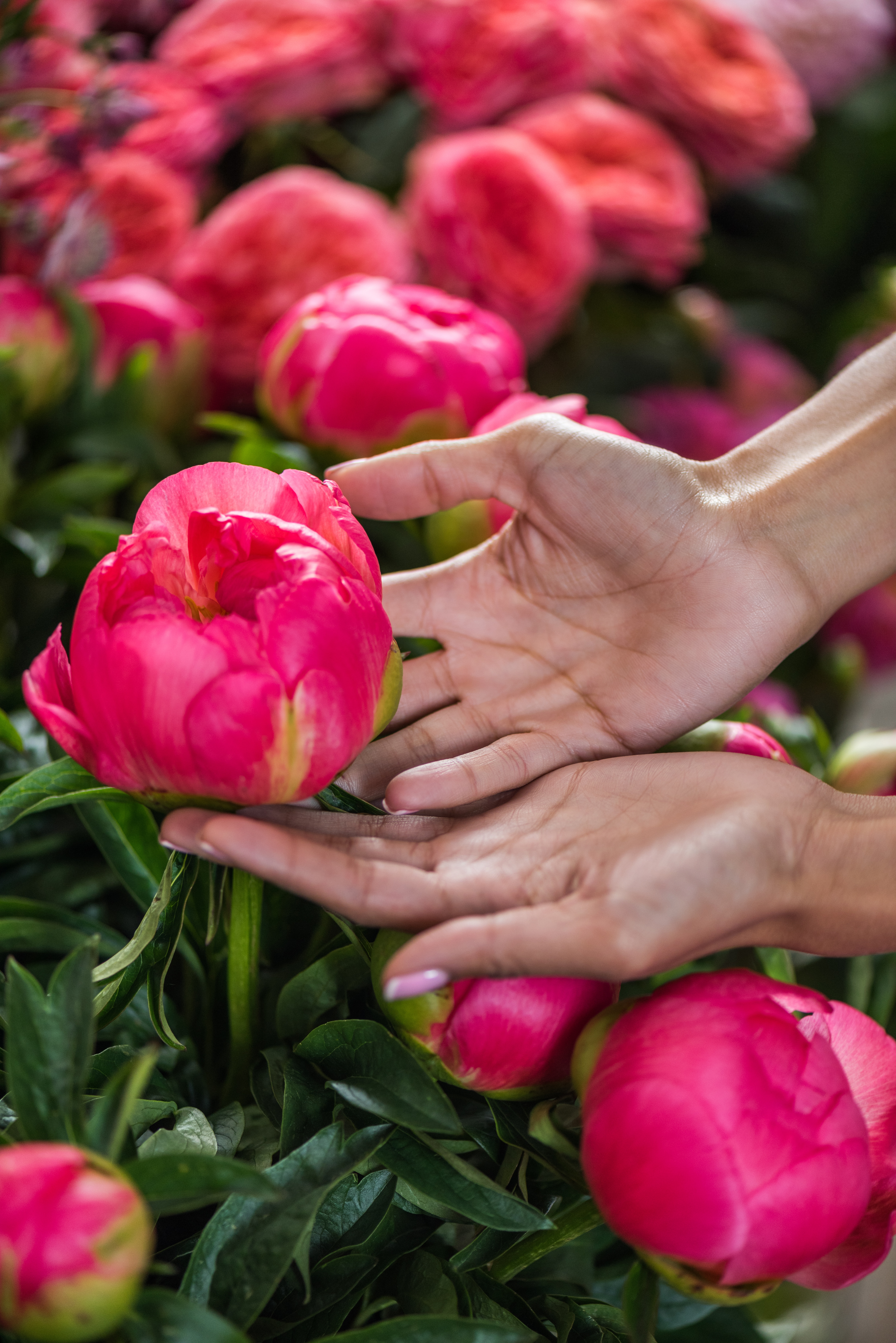
Once peonies start forming buds, the stems can get heavy—especially on double or bomb-type varieties. A sudden wind or spring rainstorm can knock them flat.
To keep blooms upright, add supports early in the season before the stems grow tall. Peony rings, grid supports, or small decorative stakes work beautifully.
If you’ve ever wondered why some people’s peonies stand tall while others flop, the difference is almost always plant supports.
This is a great section to add affiliate links for your favorite styles, especially if you use ones that are neutral or decorative.
Pruning and Deadheading Peonies
Peonies don’t need complicated pruning. After blooms are spent, simply trim off the old flowers to keep the plant tidy and prevent disease from spreading.
Leave the foliage in place throughout summer so it can continue feeding the roots for next year.
In fall, once frost arrives and leaves turn yellow or brown, cut the stems all the way to the ground and dispose of the foliage. Don’t compost diseased leaves; instead, throw them away with yard waste.
Fresh blades on your garden shears are important here, so this is a great spot to recommend your favorite pruners and tool-cleaning wipes.
Common Peony Problems (And How to Fix Them)
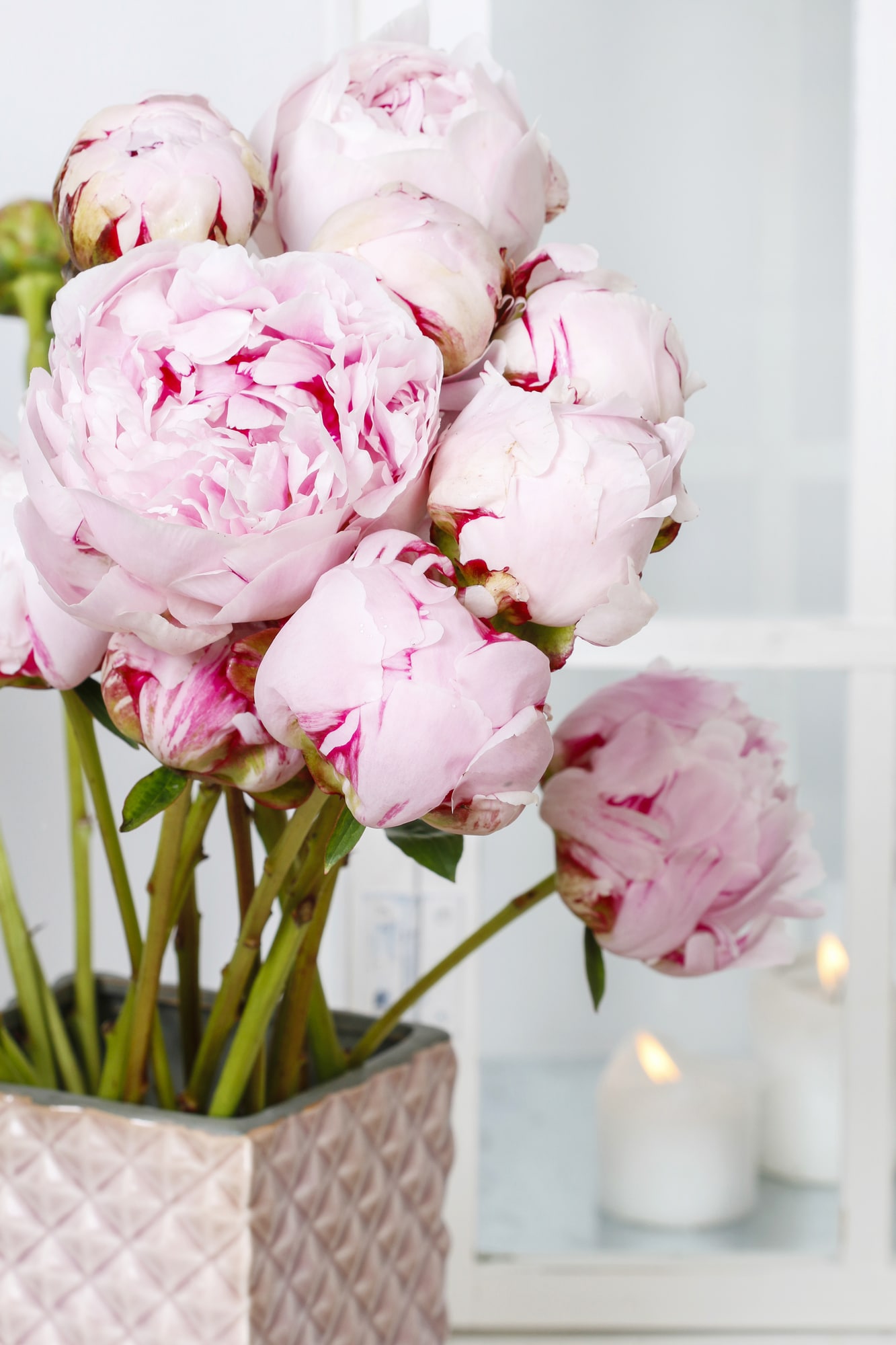
The good news: peonies are naturally resistant to most pests. Even ants on the buds are harmless—they’re just attracted to the sweet nectar and don’t damage the plant.
The problems you might see occasionally are fungal issues like botrytis or powdery mildew. These usually happen when leaves stay wet or plants are crowded. Trim affected areas, improve airflow, and water at the base of the plant instead of overhead.
Neem oil or an organic copper fungicide can be used only if needed, but in many gardens, simple pruning and cleanup solve the issue.
If a peony fails to bloom, the cause is almost always one of three things: it was planted too deep, it isn’t getting enough sun, or it’s still young and needs more time.
Peonies take patience—many don’t bloom their first year. By the second or third spring, most explode with flowers.
Winter Care and Long-Term Growth
Peonies are perennials that can live for decades. In cold climates, they actually love winter because the chill helps set their buds for the next growing season.
After you cut back the foliage in fall, you can leave the roots in the ground without extra protection unless you live in a very cold zone.
A light layer of mulch is fine, but don’t pile it too high over the crown.
The longer they grow, the better they look. A peony you plant this year could still be blooming 40 years from now with nothing more than water, sunlight, and a bit of seasonal cleanup.
Cutting Peonies for Floral Arrangements
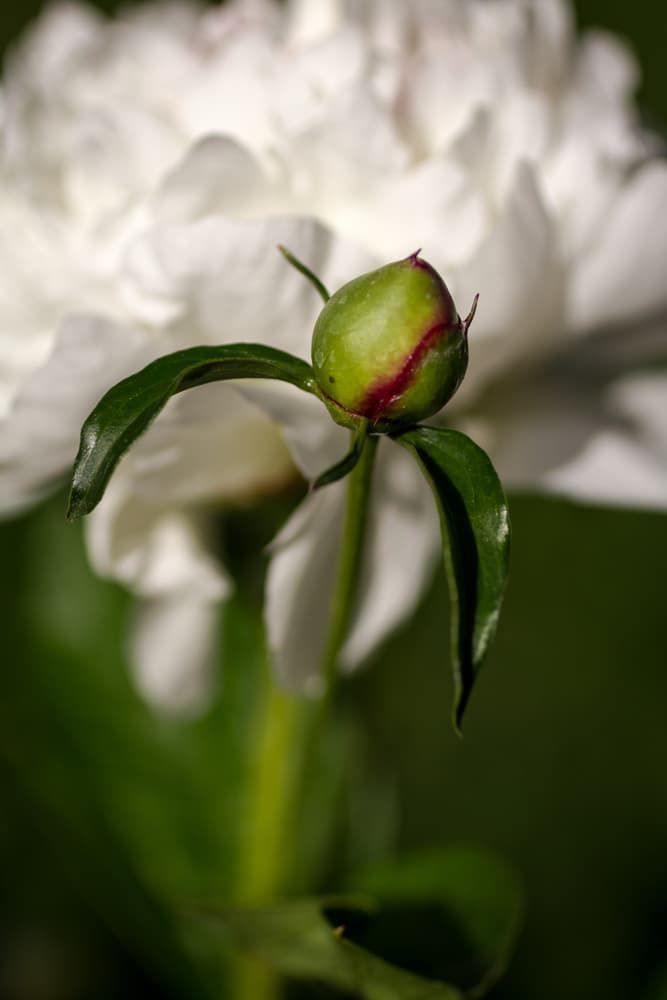
One of the best parts of growing peonies is bringing them indoors. For the longest-lasting flowers, cut stems early in the morning when buds feel soft—people often call this the “marshmallow stage.”
Place stems directly in cool water and remove any leaves that will sit below the water line.
If you love arranging flowers, you can refrigerate peony stems and enjoy blooms later in spring. Home gardeners do this all the time to save buds for special occasions.
Fresh vases, floral snips, and floral food are perfect items to link here for anyone wanting to recreate a romantic peony bouquet at home.
Peonies look like luxury flowers, but they’re incredibly simple to grow with just a few rules: plant them shallow, give them sun, water deeply but not often, and prune in the fall.
Once they settle in, they don’t need constant attention. They’ll reward you every spring with bigger and fuller blooms, year after year.
If you’ve been wanting to add a peony—or a full row of them—to your yard, this is your sign.
A little care at the beginning truly pays off for decades. Save or pin this post so you can come back to it when planting time arrives, and let me know what varieties you’re loving in your garden this year.